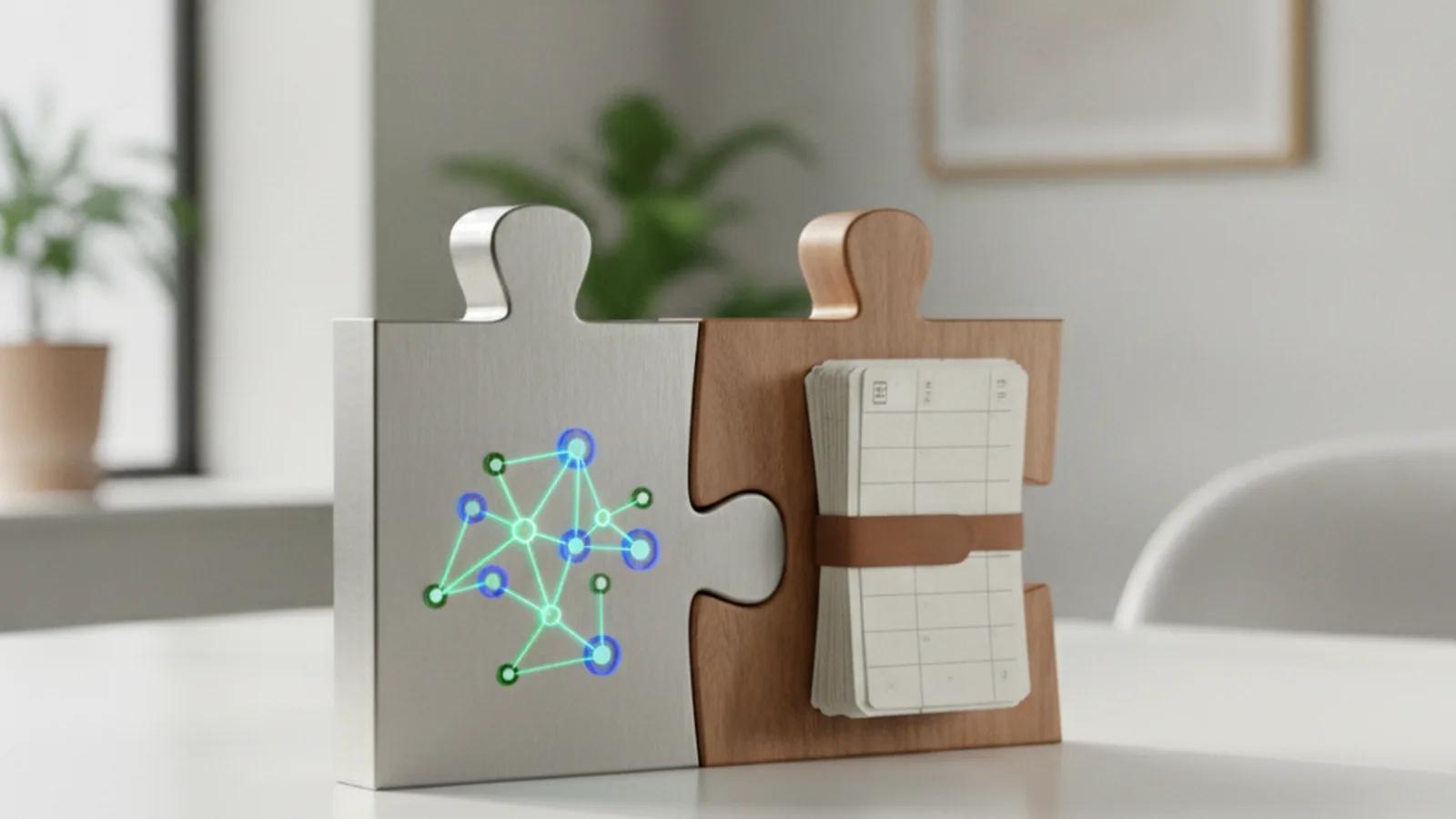
Israeli business software vendor Priority Software is acquiring Fireberry, an AI-powered CRM formerly known as Powerlink. Priority will first take more than 50% of the shares, with an option to buy the rest from founder Amir Segev. Calcalist reports the deal values Fireberry at more than NIS 100 million, about $31 million. Fireberry will be sold on its own and inside Priority's Cloud ERP, on one shared data model.
- It is Priority's fifth acquisition since Blackstone took control in 2024, and the largest so far
- Priority serves 75,000 customers in 70 countries; Fireberry has thousands, mostly in Israel
- The pitch: customer activity, operations and finance data in one place, with AI agents on top
Calcalist's CTech broke the news on 5 November 2026, and Priority confirmed the deal in an official announcement dated 6 November from Tel Aviv. Terms beyond the valuation were not disclosed.
For a sales or operations lead, the story is less about two Israeli companies and more about a direction. CRM vendors spent the last decade selling "best of breed" tools that talk to accounting and inventory through connectors. ERP vendors now want the CRM inside the same box, so that a quote, an order, an invoice and a payment all sit on one customer record without a sync job in between.
That is attractive if you are choosing both systems from scratch. Most growing businesses are not: they already run a CRM their reps like and an ERP or accounting package their finance team will not give up. For them, the realistic alternative to switching suites is a custom integration between the CRM and ERP you already run, scoped around the few records that actually need to match.
What did Priority announce?
According to Calcalist, Priority will initially acquire a majority stake in Fireberry and holds an option on the remaining shares. Fireberry is based in Tel Aviv and has about 30 employees. The deal is the biggest of five that Priority has completed under CEO Sagive Greenspan since Blackstone bought a controlling 70% stake at an $800 million valuation in May 2024.
"Together, Fireberry, Priority ERP, and our cutting-edge aiERP capabilities create a powerful, AI-driven business management ecosystem," Greenspan said in the announcement. Fireberry CEO Amir Segev said the combination would "bring best-in-class AI capabilities to a broader audience."
Two details matter beyond the headline:
- Standalone stays. Priority says Fireberry will remain available as a separate product, so current Fireberry users are not forced onto the ERP.
- One data model. Inside Priority's Cloud ERP, the CRM will share records with operations and finance, which Priority pitches as the end of "information silos" for its AI agents.
What is Fireberry?
Fireberry is an all-in-one CRM covering sales, service and marketing, with AI built into the core product rather than sold as an add-on. Its customers include car dealerships, real estate agencies, nonprofits, educators and retail chains. The product leans on customizable modules, native integrations and an open API, which is typical of CRMs aimed at small and mid-size businesses that need to bend the system to their own process.
The move fits a pattern we have covered all autumn: big vendors buying the pieces that sit next to the customer record. Salesforce's purchase of Braze pulled messaging closer to CRM data; Priority is doing the same from the back-office side.
What does a CRM-plus-ERP suite mean for smaller teams?
- Fewer sync errors, more lock-in. A shared data model removes the nightly sync that duplicates contacts and mismatches order totals. The trade-off is that leaving one half of the suite later becomes much harder.
- AI agents need joined-up data. An agent that drafts a renewal offer is only useful if it can see open invoices, delivery issues and margins. That is the real argument for CRM and ERP on one record, and the reason vendors are consolidating.
- Your reps' habits still decide adoption. An ERP-native CRM can be technically tidy and still lose to the tool salespeople open on their phones. Test it with the team, not just the finance lead.
- Integration is still a valid choice. If both systems work, connecting them is usually cheaper than migrating either. Our CRM integration guide walks through the options, from native connectors to middleware and APIs.
What should you do now?
- Map the handoffs. List where a deal crosses from sales to operations: quote, order, invoice, payment, delivery. Each crossing is either a sync or a re-type today.
- Count the pain. Track how often records disagree between CRM and accounting in a month. If it is rare, a suite switch is hard to justify.
- Price both paths. Compare a suite migration (licences, data move, retraining) with a targeted integration. The build vs buy CRM framework applies here too.
- Plan the rollout. Whichever path you choose, stage it. A 90-day CRM implementation plan keeps one team live while the next is onboarded.